Cosmetic and healthy natural Clay
Benefits of French clay and Moroccan Ghassoul clay
French clay and ghassoul clay have the unique ability to pinpoint the origin of the pain, focus on it, and remove it.
In addition, clay has the following properties:
- Regenerates cells and thus promotes skin repair
- Stimulates the immune system and increases resistance through silicic acid
- Reduces swelling and soothes pain because it is ‘sucked up’ along with it, as it were
- Helps wounds heal due to the presence of Aluminium Silicate
- Absorbs unwanted substances, such as gases, dirt, pus, and dead blood
- Has an inhibitory effect on active bacteria and viruses
- Clay stimulates blood circulation and the formation of red blood cells
- Reduces impurities or toxic substances in the body
- Cleans powerfully, has antiseptic and disinfectant properties
Clay can be used for many purposes
Health and Healing
- Compresses – Packs
Personal Hygiene
- Mouthwash – Toothpaste – Shampoo – Shower gel
At beauticians
- Mud baths – Skin care lotions – Creams – Face masks
Origin

The origin of green clay is the rich volcanic soil of the Auvergne region in France, an inexhaustible source of energy. This geographical location, with a strong natural and geological heritage, has the largest underground water reserves in France.
Because the green clay is extracted from these natural reserves, it is extremely clean.
The green clay is formed by the accumulation of certain minerals.
These were transported by water after the destruction of rocks by erosion.
On the southern side, it is perfectly sunny.
The green clay absorbs the sun’s rays and a large amount of heat (along with the underground heat) and is therefore rich in energy.
A valuable mineral powder suitable for “organic” products
French Green Clay contains natural minerals and trace elements.
Throughout the entire production process, from extraction in the mine to delivery, Green Clay undergoes no chemical treatment and contains no additives.
Many quality controls are carried out. Particular attention is paid to particle size checks, as product firmness is important for reproducing formulations.
Therefore, significant investment has been made in high-tech tools to ensure efficient and consistent work.
The grain size distribution of the clay is perfectly controlled, even at very fine powder levels (down to less than 20 micrometers).
The purer the clay, the more active substances it contains, and the more effective it is.
Mineralogical analyses prove it: this Green Clay is extremely pure.
They prove that it contains no quartz. This free silica is closely related to sand.
The fineness of the grains, in addition to its composition, makes the green clay a light and soft clay when it comes into contact with the skin.
Furthermore, the stability of Green Clay when mixed with water, as well as its mineralogical stability over time, have been scientifically proven.
These analyses revealed the unique composition of the Green Clay because it consists of three different clays with complementary properties and benefits. (illite, montmorillonite and kaolinite)
See the analysis certificates for this.
Because Green Clay is a mineral, it cannot receive an “organic” label.
Many cosmetic products based on green clay are certified as COSMEBIO every year. They also bear the ECO-CERT label.
Preparing clay with various ingredients
The white, green, and ghassoul clay powder can be prepared with the following 10 ingredients:
- Distilled water, mineral water or spring water
- Lukewarm (rose) water to reduce skin shine, absorb excess sebum and soothe skin inflammation.
- Honey to intensively nourish the skin and make it soft. It also works preventively against the formation of wrinkles.
- Yogurt, for dry, irritated skin.
- Whole milk, for dry skin (it is packed with nutrients)
- Mashed cucumber to refresh, purify and soften the skin. Cucumber takes on the fight against aging!
- Green tea
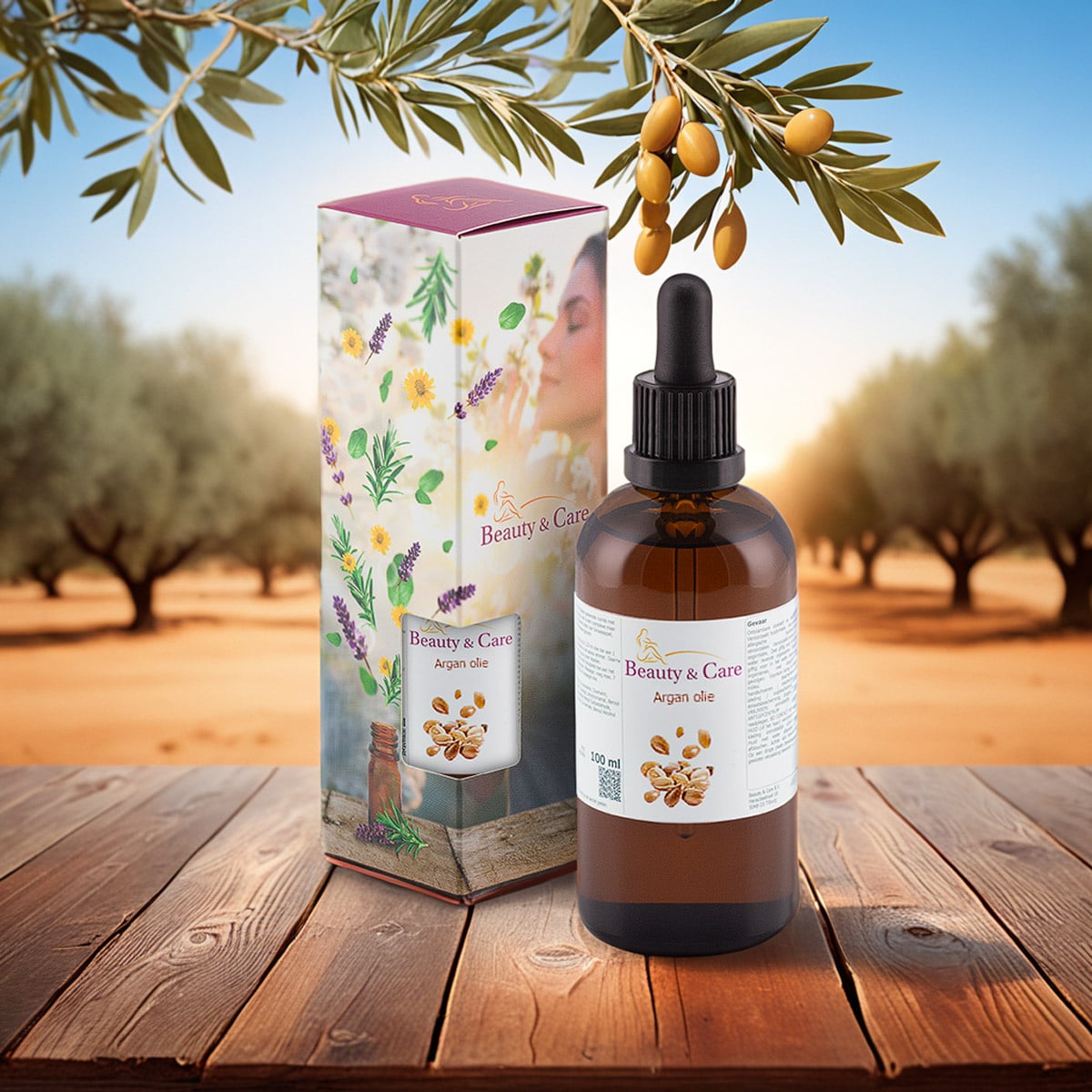
- A base oil such as Argan oil, Sweet Almond oil, Grapeseed oil etc., nourishing for the skin
Add essential oil
5 to 6 drops of essential oil can also be added to 100 ml. clay, such as:
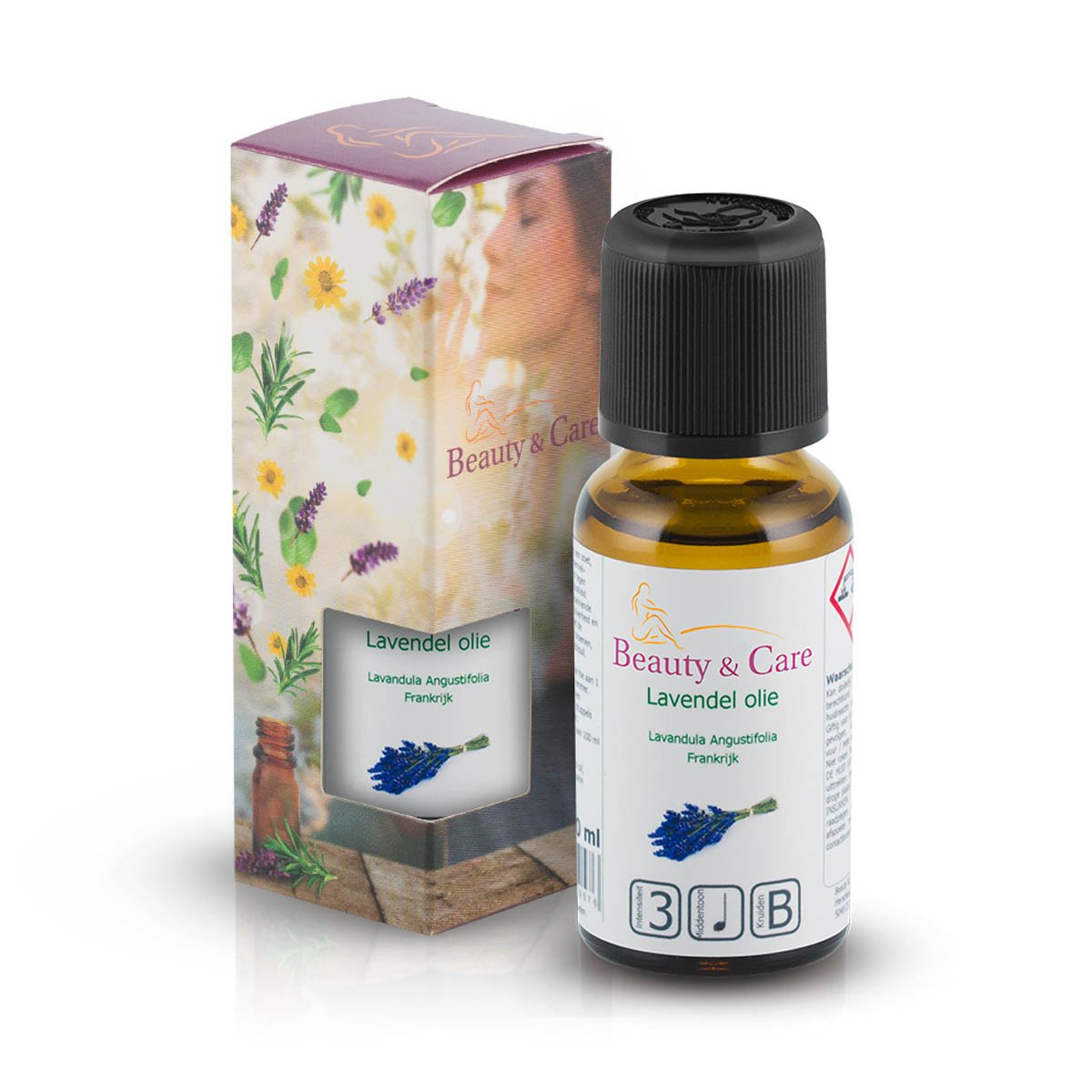
Lavender oil – calming, for headaches and irritation. (good for the whole year but also in winter)
Lemon oil – for cellulite, oily skin, and asthma. (good for autumn)
Mint oil – calming, soothing, and calming. (good for summer)
Tea Tree oil – for a beautiful complexion, against fungus and acne. (good for winter)
White clay combined with a few drops of Tea Tree oil is also effective for sweaty feet.
Ylang Ylang oil – for a face mask for mature skin. Mix 2 tablespoons of white clay with some water to form a firm paste. Add a splash of avocado oil and 2 drops of Ylang Ylang.
Note: if essential oil is added to a clay pack, use only a few drops and stir the pack well with a spatula or wooden spoon into a paste before applying it to the skin.
Clay application in the bath
- Baths (10 tablespoons of clay or more)
- Sitz baths (5 tablespoons)
- Foot or hand baths (3 tablespoons)
- These baths can be used 2 – 3 times a week
Use for packs
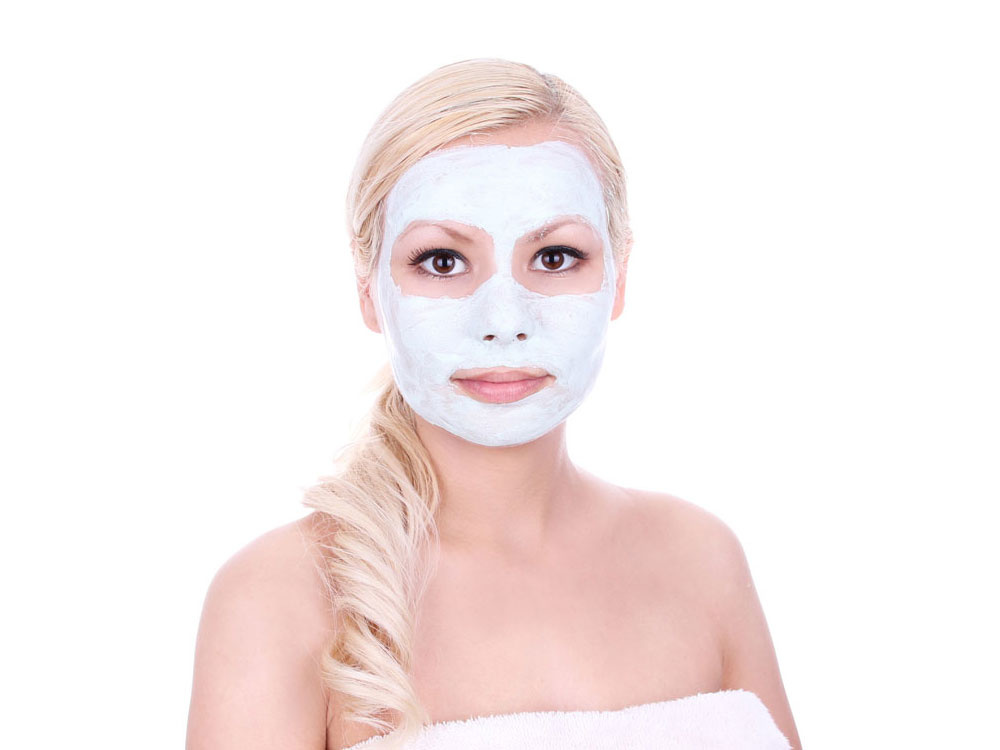
Mix the clay in a small glass bowl with the chosen ingredients, such as honey, distilled water, and lavender oil.
Then stir everything with a wooden spoon or spatula into a paste and apply it to the skin.
On the face, avoid the areas around the eyes and mouth. (see image)
For sensitive to normal skin, use white clay or ghassoul clay for the face.
For a light peel or a strong effect, you can use green clay.
This is more suitable for normal to oily skin.
Note: due to the strong effect of the green clay, you may feel very warm or develop red skin.
In this case, always remove the clay.
After this, the redness will disappear on its own after about an hour and a half.
Clay is easy to wash off with lukewarm water, and afterwards you can massage a little oil or body lotion into the skin to nourish it again. (It is best to rinse the clay off the body in the shower or bath)
If areas are removed with towels, watch out for stains on the towels.
You won’t have this problem with white clay, but with the other types, it is advisable to use dark or colored towels.
White clay
Suitable for all skin types and especially for dry, sensitive skin.
This is the softest type of clay and is rich in aluminum, giving it an extra healing effect.
White clay combats clogged pores and helps to eliminate toxins and remove impurities.
It is often applied to the face and the abdomen. White clay is also very effective for sweaty feet, possibly in combination with a few drops of Tea Tree oil.
This clay can also be used on the entire body.
Green clay
Green clay is the most absorbent and purifying clay.
Ideal for normal to oily (acne) skin.
Green clay nourishes and absorbs excess sebum and impurities.
It is commonly applied to the face, arms, and legs.
It is effective in slimming treatments due to its firming effect.
This clay can be used on the entire body, but be careful when using it on the face.
Ghassoul clay
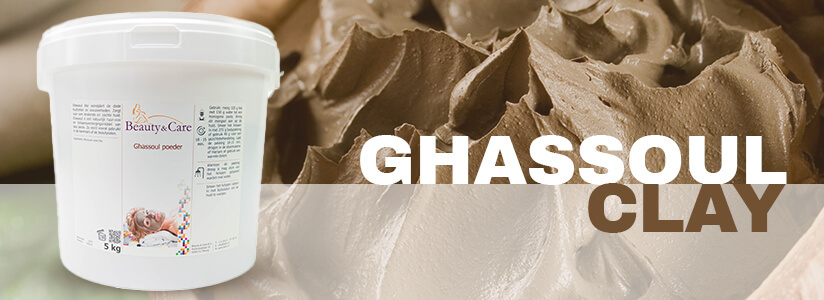
Ghassoul clay powder is suitable for all skin types on the face and the entire body.
It reduces shine, absorbs excess sebum, has a revitalizing, purifying effect, and soothes the skin.
Ghassoul is rich in:
- magnesium
- iron
- silicon
- aluminum
- calcium
- sodium
- trace elements
- potassium
- pro-vitamins

Ghassoul clay has active healing properties due to the aluminum silicate it contains.
Especially for the treatment of:
acne, psoriasis, eczema, cellulite, and skin inflammations.
The water absorption of ghassoul clay is approximately 4 times higher than other types of clay, making it many times more economical to use.