The Origin of Spiritual Scents
The origin of spiritual scents often lies in nature. Many of these scents have been used in rituals and healing practices since ancient times. The scents can originate from flowers, plants, herbs, leaves, bark, wood, resin, roots, or fruits. Each of these sources has unique properties that can have a specific influence on your body and mind. Spiritual scents are often used to create a sense of peace, balance, and connection.
Common Spiritual Scents and Their Meaning

1. Myrrh
Myrrh is another resin that has historically been widely used in religious rituals. It has a deep, earthy scent that is often associated with healing and protection. Myrrh is evaporated to dispel negative energies and create a sense of peace and security.
rel=”noopener”>
2. Sandalwood
Sandalwood is one of the most prized spiritual scents. The wood of the sandalwood tree is often burned as incense or processed into essential oil. The sweet, warm scent of sandalwood has calming properties and is often used in meditation to help the mind focus and achieve a deep state of rest.

3. Lavender
Lavender is a popular scent due to its relaxing and calming properties. The scent of lavender is often used in aromatherapy to reduce stress and anxiety. In spiritual contexts, lavender helps to calm the mind and create a peaceful atmosphere, which is ideal for meditation and prayer.

4. Cedarwood
Cedarwood has a warm, woody scent that is associated with strength and protection. Diffusing cedarwood is often used to cleanse a space and protect against negative energies. The scent of cedarwood also aids in grounding and can provide a sense of stability and security.

5. Roses
The scent of roses is deeply connected to the heart and your emotions. The scent of rose is often used in love rituals and to create a sense of harmony and balance. It can help to open the energy of the heart chakra and heal emotions.
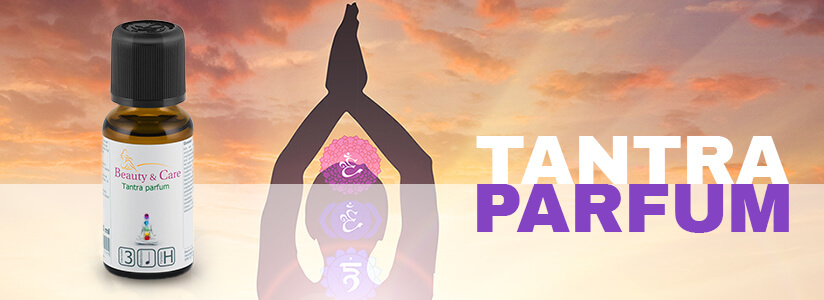
6. Tantra
Tantra is an esoteric tradition stemming from both Hinduism and Buddhism that focuses on achieving spiritual liberation through a series of rituals, meditations, and practices.
rel=”noopener”>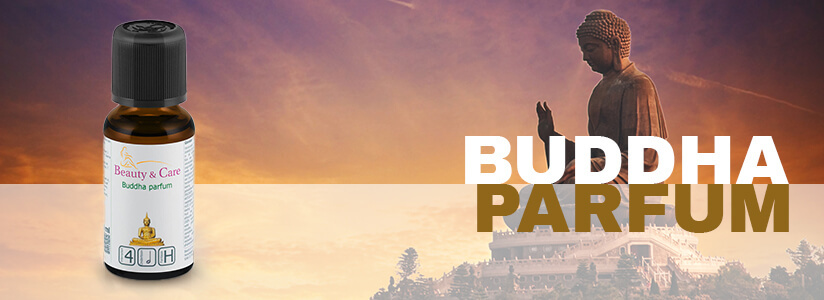
7. Buddha
Buddha, also known as Siddhartha Gautama, is the founder of Buddhism. His life and teachings form the core of Buddhist philosophy and practice. Buddha was an ascetic monk who sought the truth and liberation from suffering. After years of strict asceticism, which yielded no satisfactory answers, Siddhartha decided to follow a middle path between self-denial and self-indulgence. He began meditating under the Bodhi tree in Bodh Gaya and eventually attained enlightenment (bodhi). He became the Buddha, which means “the Enlightened One.”
Buddhist practices such as meditation and mindfulness are becoming increasingly popular in the West as methods for stress reduction and personal growth. This Buddha fragrance is a blend of Patchouli and Oudh, both of which are used for meditation and come together beautifully in this fragrance oil mix.
Use these scents in an aroma diffuser, on an aroma stone, or in an aroma burner for a safe, positive, and liberating feeling. These scents are ideal for use during meditation, rituals, mindfulness, and to achieve a deep state of calm.
Spiritual scents during the massage

These spiritual scents are also available use during a massage by using the Massage Zen gift set. This set consists of 6 spiritual massage oils that promote relaxation and transport you to faraway holiday destinations: Eucalyptus Mint, Rose Musk, Tantra, Amber, Indonesia, and Lotus. Additionally, if you enjoy them, these massage oils are also available in larger packaging.
Discover the Zen massage gift set
Use of Spiritual Scents in Different Cultures
Ancient Egyptians
The ancient Egyptians were masters in the use of scents in their religious and spiritual practices. They used myrrh and other fragrant resins to cleanse and sanctify temples. Fragrances were also used in the mummification process and to guide the deceased to the afterlife. The fragrant oils and ointments made by the Egyptians had not only spiritual but also medicinal applications.
Hinduism and Buddhism
Sandalwood and other aromatic woods are often used in temples and shrines. These fragrances help promote your inner peace and spiritual devotion.
The Use of Essential Oils in Spiritual Practices
Essential oils are highly concentrated extracts of plants. They have powerful scents and are often used in aromatherapy and spiritual practices to achieve various goals:
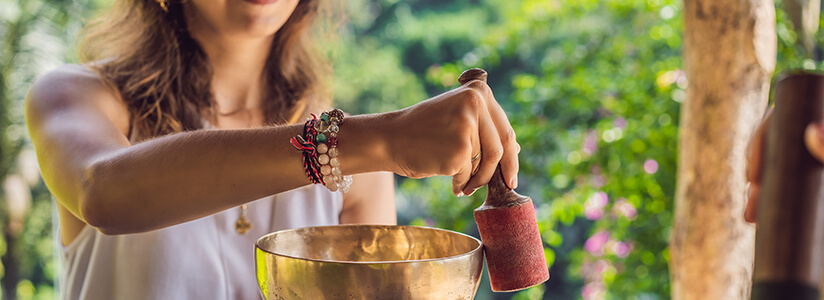
Meditation and Mindfulness: Essential oils such as lavender and sandalwood can be used to create a calming atmosphere conducive to meditation and mindfulness. These scents help to soothe the mind and improve focus.
Energy Healing: Scents play an important role in energy healing and chakra balancing. Essential oils can be applied to specific chakras diluted in a carrier oil such as sweet almond oil or grapeseed oil to remove blockages and promote energy flow. For example, rose oil can be used to open and heal the heart chakra.
Rituals and Ceremonies: Many spiritual rituals and ceremonies use essential oils for anointing and purification. The scents of these oils help to enhance the sacred space and bring the participants into a spiritual state.
Protection and Purification: Essential oils such as cedarwood and myrrh are often used for protection and purification. They can be diffused in a room to dispel negative energies and create a protective barrier.
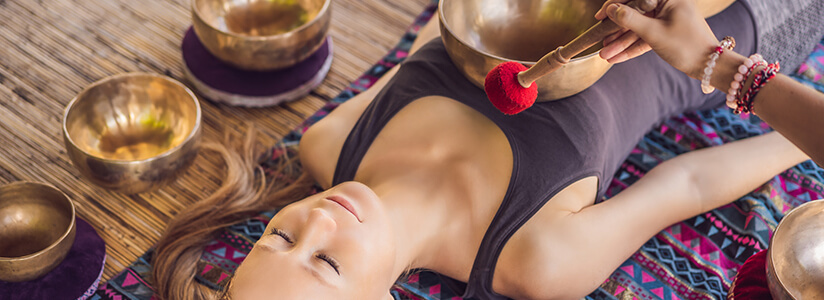
The Science Behind Scents and Their Effect on the Mind
Although spiritual scents are often associated with mystical and religious practices, there is also scientific evidence showing how scents can influence the mind and body. The sense of smell is directly connected to the limbic system, the part of the brain involved in emotions and memories. As a result, scents can trigger powerful emotional responses and have a profound influence on our mental and emotional state.
Research has shown that certain scents can reduce stress, improve mood, and even support cognitive functions. This explains why scents such as lavender and sandalwood are often used for relaxation and meditation.
Conclusion
Spiritual scents are more than just pleasant aromas; they are powerful tools that can help us connect with ourselves, our surroundings, and the divine. Whether it involves using essential oils in a diffuser or on an aroma stone during meditation, scents play a crucial role in our spiritual practices. They help us find peace and balance, remove negative energies, and create a sense of sacredness and connection. In a world that is often hectic and chaotic, spiritual scents can be a source of comfort, healing, and inspiration.